What Is Islam
Discover the Beauty of Islam
A Faith of Peace, Mercy, and Purpose
Islam is more than a religion—it’s a complete way of life that guides people to worship one God, live with integrity, care for others, and contribute positively to society. Its teachings emphasize compassion, justice, honesty, and respect, encouraging people to build meaningful relationships and serve humanity with kindness.
Whether you are exploring Islam for the first time or seeking authentic information, we invite you to discover its timeless message of faith, hope, and peace.
Understanding Islam
What Is Islam?
Islam is one of the world’s major religions, followed by over 1.9 billion people across the globe. The word Islam comes from the Arabic root meaning peace and submission, reflecting the belief that true peace is achieved by sincerely submitting to the will of God.
At its heart, Islam teaches belief in one God, accountability for our actions, and living a life filled with compassion, humility, honesty, and service. It encourages people to seek knowledge, uphold justice, strengthen family ties, and care for their neighbors regardless of their background or beliefs.
Islam is not limited to acts of worship—it provides guidance for every aspect of life, helping individuals build strong character while contributing positively to their communities.

The Holy Quran
A Timeless Source of Guidance
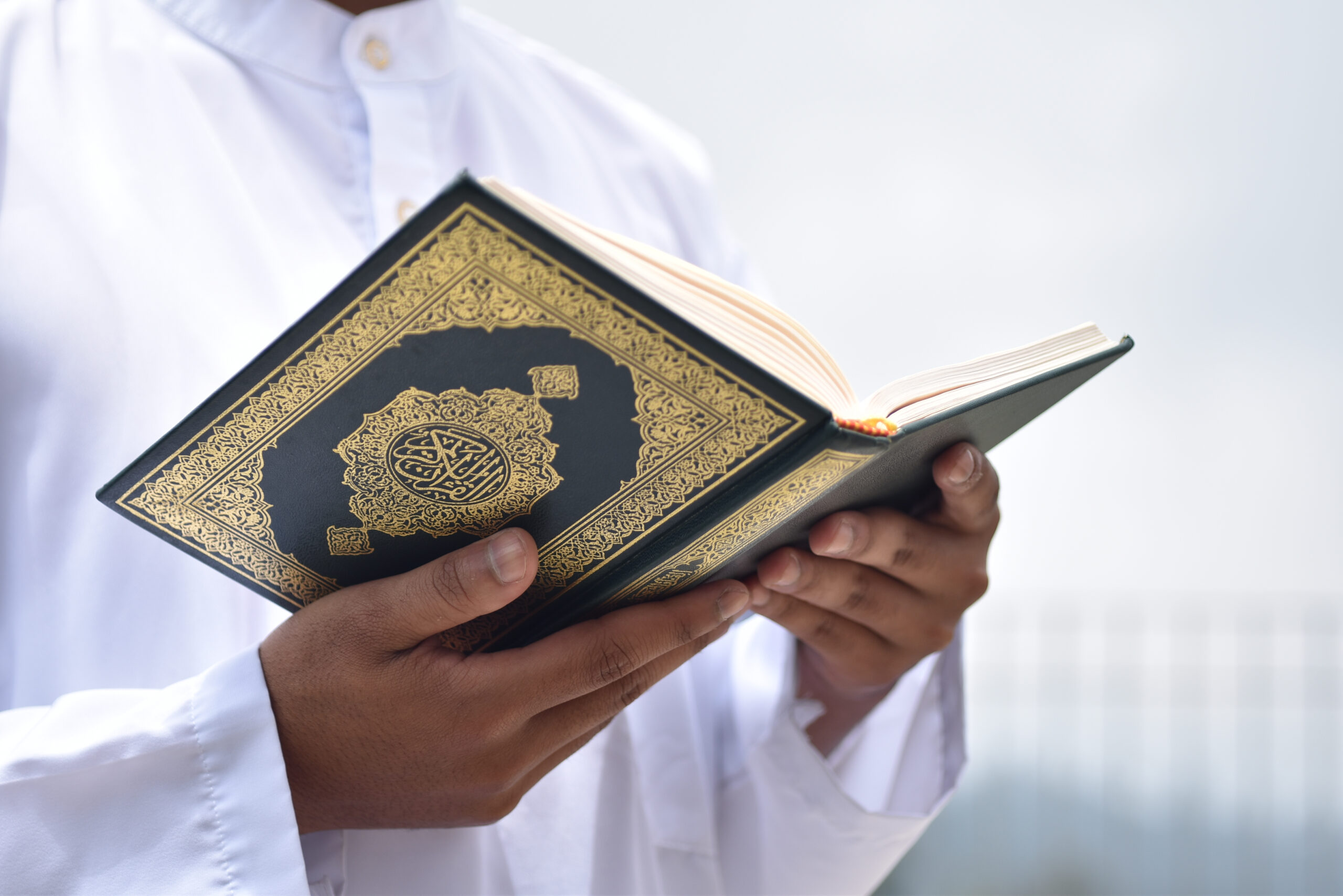
The Quran is the holy book of Islam and is believed by Muslims to be the final revelation from God. Revealed over 1,400 years ago, it remains unchanged and continues to provide guidance on faith, morality, family life, justice, and personal character.
Muslims read the Quran not only for spiritual growth but also to gain wisdom, strengthen their relationship with God, and live according to values that benefit both individuals and society.
Islam in America
The journey of Malcolm X
Few American lives illustrate the pull of authentic Islam more clearly than that of Malcolm X. Raised amid poverty and racism in Omaha, Nebraska, he spent his early adulthood in and out of institutions before discovering the teachings of the Nation of Islam while incarcerated — a movement that mixed elements of Islam with a separatist, race-based ideology.
It was his 1964 pilgrimage to Mecca, the Hajj, that changed him. Standing shoulder to shoulder with worshippers of every race and background, all turned toward the same God, Malcolm witnessed a form of brotherhood he had never encountered in America. He returned home with a new name, El-Hajj Malik El-Shabazz, and a new conviction: that Islam’s message of racial equality offered a genuine answer to the divisions he had spent his life fighting.
“America needs to understand Islam, because this is the one religion that erases the race problem.”
1925
Born Malcolm Little in Omaha, Nebraska, into a family shaped by poverty and racial violence.
1952
Released from prison and becomes a leading spokesman for the Nation of Islam.
1964
Breaks with the Nation of Islam and performs the Hajj pilgrimage to Mecca.
1964
Adopts the name El-Hajj Malik El-Shabazz and embraces mainstream Sunni Islam.
1965
Assassinated in New York City, leaving behind a legacy that still shapes Islam in America.
Free Literature
Explore Islam Through Our Resource Library
These free brochures answer some of the most common questions people ask about Islam and Muslims. Request any topic below and we’ll mail you a copy.
Belief
The One True God
An introduction to Tawheed — the belief in one God — and why monotheism sits at the center of everything Islam teaches.
Scripture
Origin of the Quran
How the Quran was revealed, compiled, and preserved word-for-word across fourteen centuries, and why Muslims consider it the literal word of God.
Prophet
Who Was Muhammad?
A look at the life and character of the final Prophet of Islam, and why Muslims hold his example central to how they practice their faith.
Women
Women in Islam
Addressing common misconceptions and explaining the rights Islam granted women fourteen centuries ago — rights many societies didn’t recognize until much later.
Modesty
Understanding Hijab
Why many Muslim women choose to wear the hijab, and how it connects to Islam’s broader teachings on modesty for both men and women.
Society
Human Rights in Islam
How Islam’s framework for justice, dignity, and equality anticipated many rights that modern human rights movements would later champion.
Life
The Sanctity of Life
Why Islam places such high value on human life, and how this principle shapes Muslim views on compassion, justice, and community responsibility.
Interfaith
Jesus in Islam
How Muslims view Jesus — as a revered prophet and messenger of God — and where this belief overlaps with and differs from other faiths.
Family
Muslim Families in America
Real stories of Muslim American families balancing faith, culture, and everyday life — and what community and belonging look like for them.
Belief in One God
Allah — The Creator of Everything
Muslims believe in one God, known in Arabic as Allah, the Creator and Sustainer of the universe. Allah is unique, without partners or equals, and is described as the Most Merciful, Most Compassionate, and Most Just.
The same God worshipped by Abraham, Moses, Jesus, and other prophets is the God worshipped by Muslims today. Islam teaches that God’s mercy is greater than His punishment and that He is always ready to forgive those who sincerely turn to Him.
Explore Islam
Discover the Beauty and Wisdom of Islam
Islam invites people to worship the One God, uphold honesty and compassion, seek knowledge, and serve their communities with kindness, justice, and integrity.
01
Testimony
Faith in one God.
02
Prayer
Five daily prayers.
03
Obligatory Charity
Giving to those in need.
04
Fasting
Fasting during Ramadan.
05
Pilgrimage
Pilgrimage to Mecca.
Common Values in Islam
Universal Teachings for Humanity
Islam encourages values that benefit individuals and society, including:
- Kindness and compassion
- Honesty and integrity
- Justice and fairness
- Respect for parents and neighbors
- Charity and helping those in need
- Forgiveness and patience
- Seeking knowledge
- Caring for the environment
- Respecting people of all backgrounds
These principles inspire Muslims to contribute positively to their families, workplaces, and communities.
Learn More About Islam
Begin Your Journey of Understanding
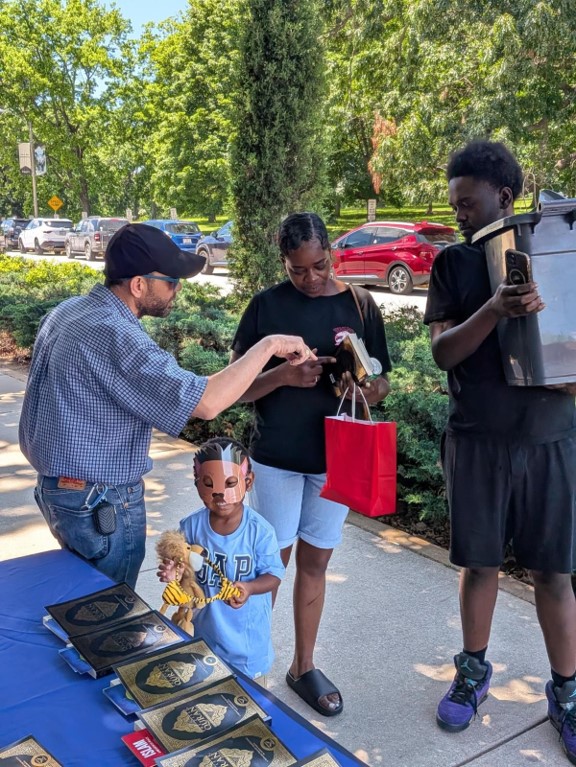
Learning about Islam is a journey of knowledge, reflection, and meaningful dialogue. Whether you’re curious about the faith, interested in receiving a free Quran, or have questions about Islamic beliefs, AMUA is here to provide authentic resources and a welcoming space for learning.